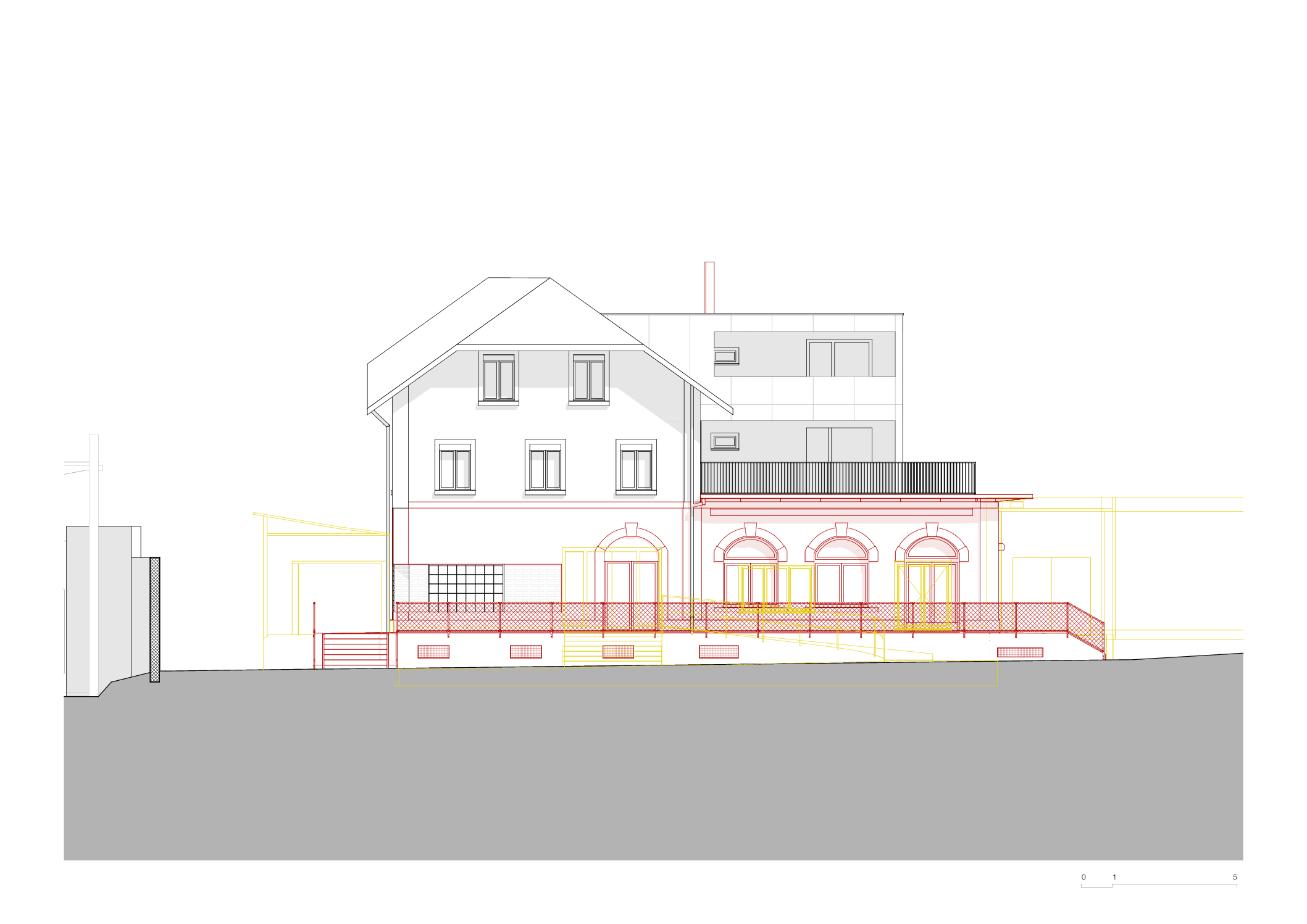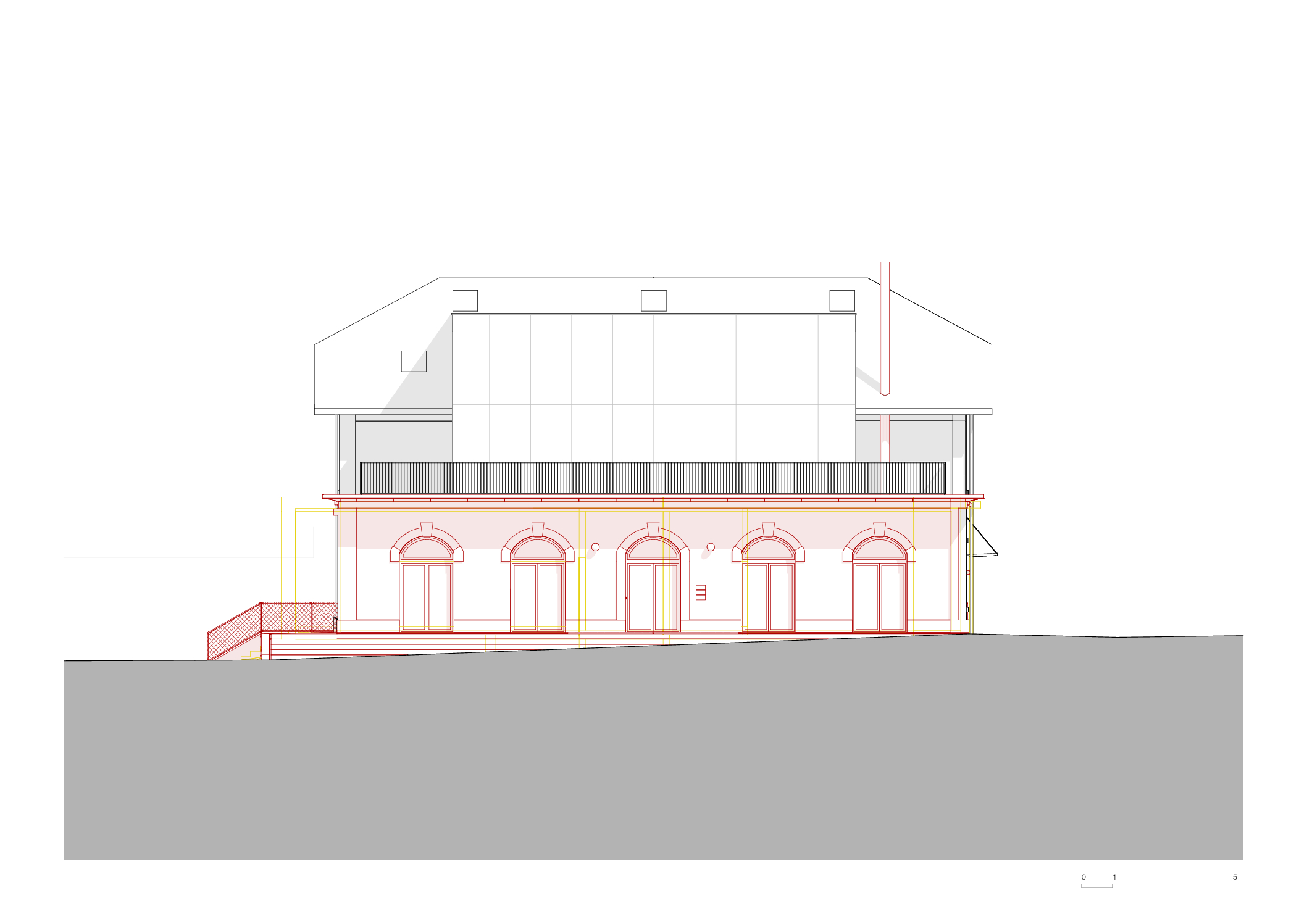
Alti Chäsi Rotkreuz / 2025
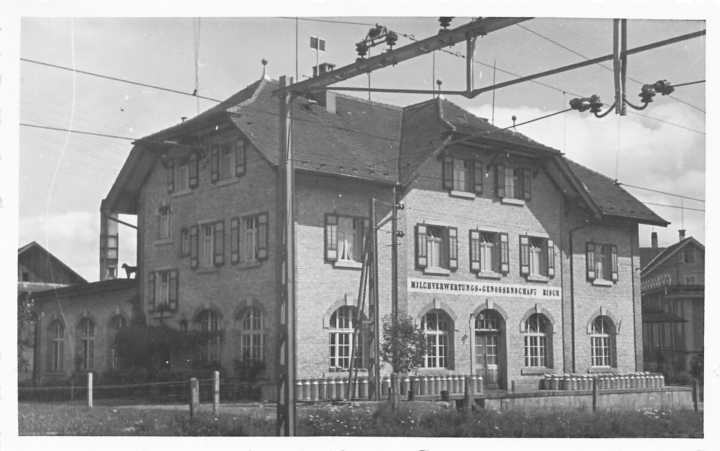
Before the economic ascent of Risch Rotkreuz—spurred by the Canton of Zug’s favorable tax policies introduced in the mid-20th century—the local economy was primarily agrarian. The construction of the railway line in 1864 established vital connections for distributing agricultural products to wider markets, initiating the gradual modernization of the rural economy. Within this context, the Milk Producers’ Cooperative of Risch was founded in 1906, followed by the construction of the Alti Chäsi, a milk-processing facility completed in 1907.
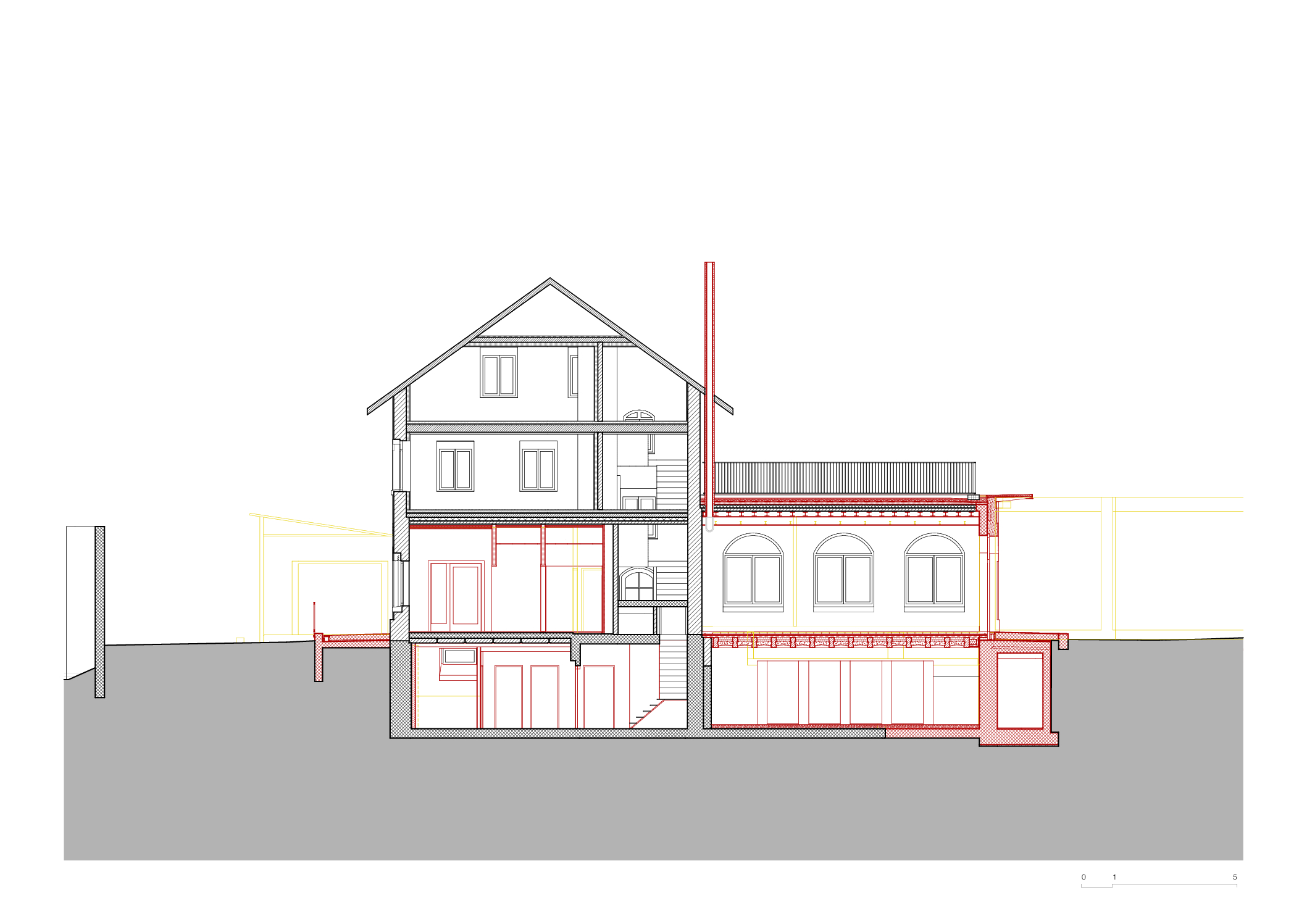
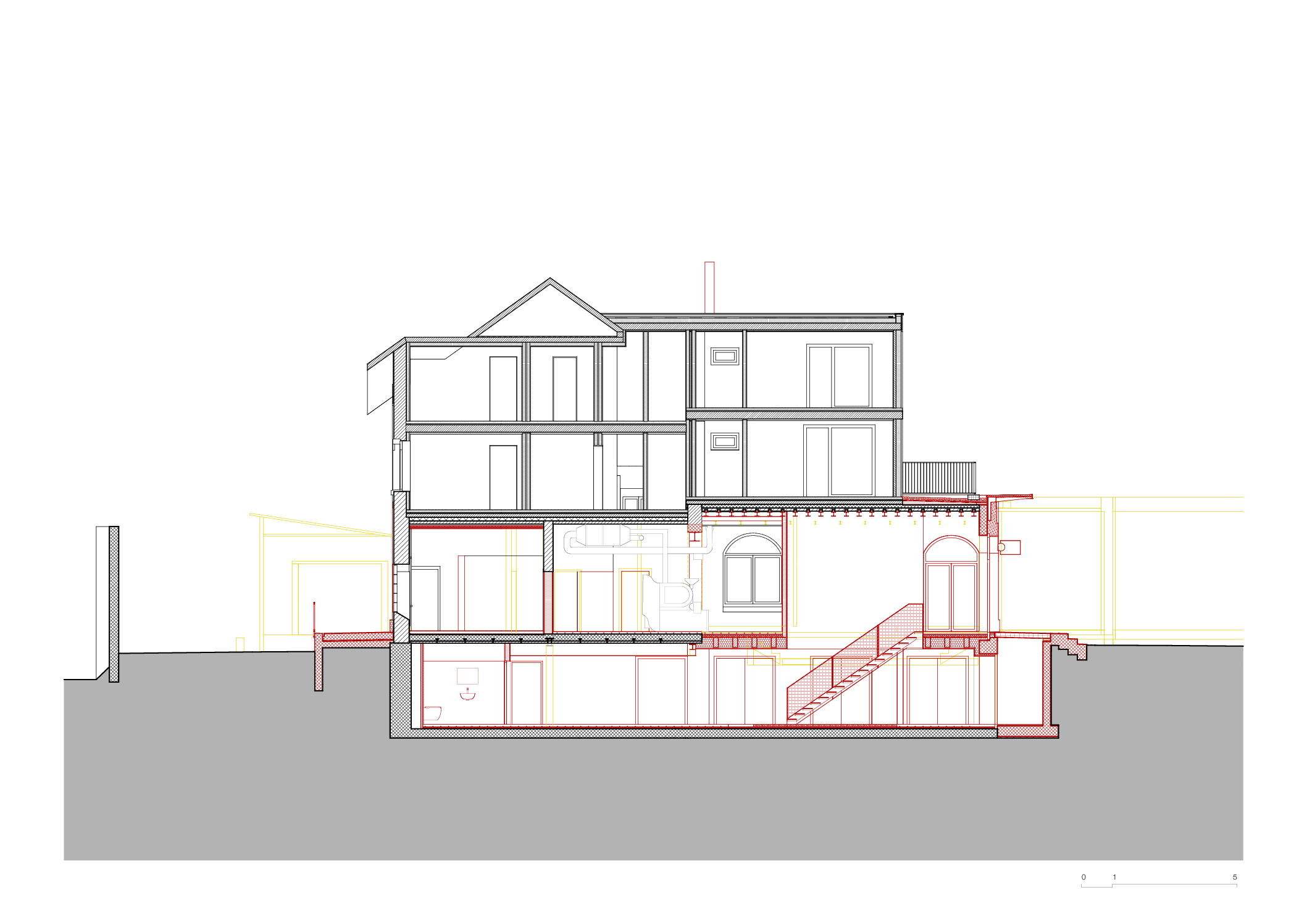
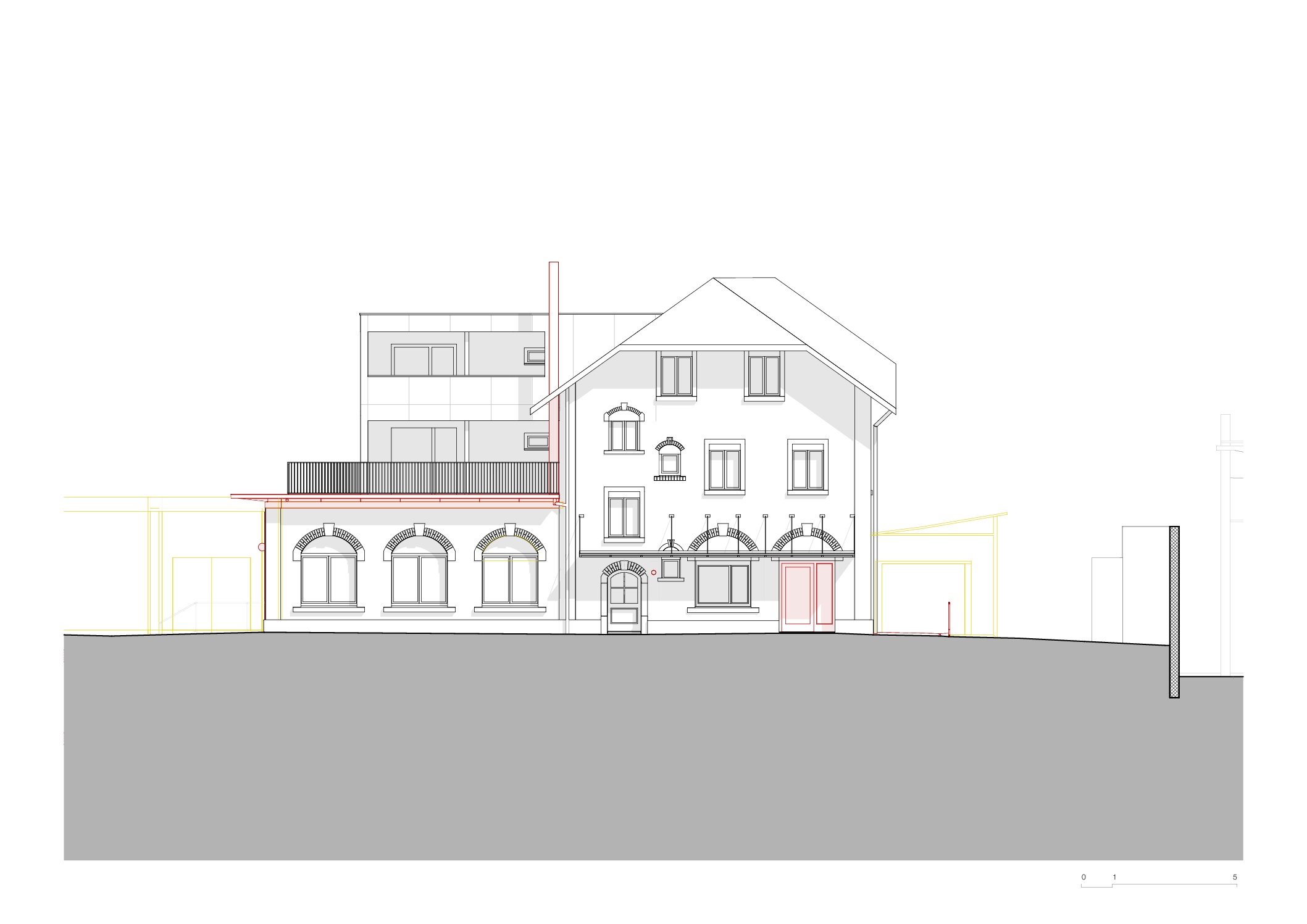
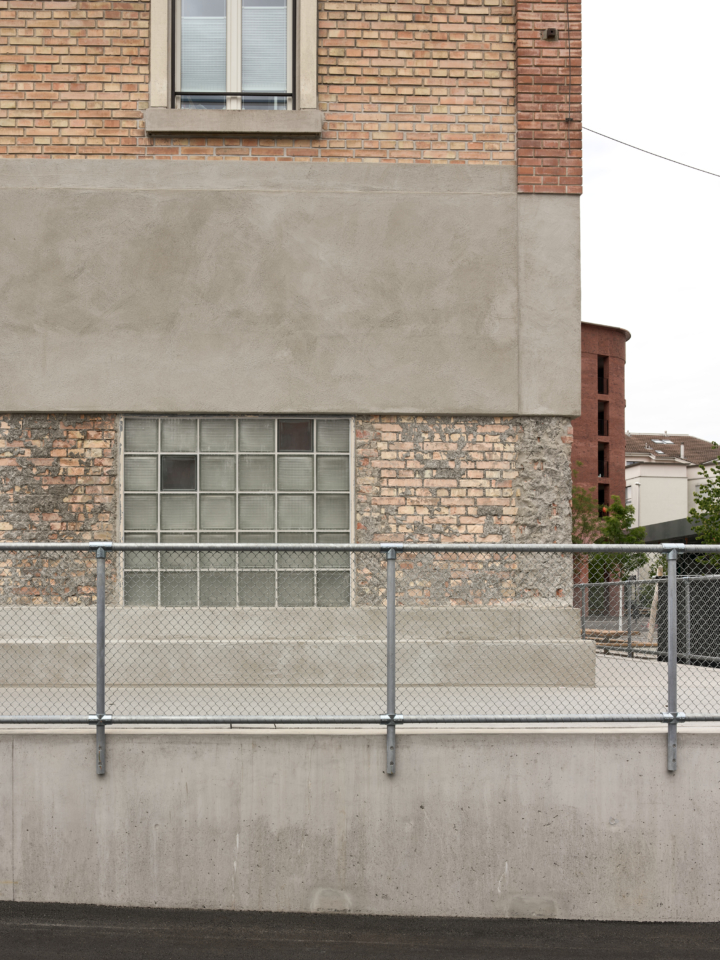
Over time, the building underwent several renovations, the most extensive of which were carried out by Landi between 1991 and 2020. These interventions expanded retail and agricultural facilities, while new apartments were added to the upper floors to generate supplementary income for the farmers’ cooperative. As a result of these substantial alterations—and because its architectural character is atypical for the region—the Alti Chäsi is not protected under the Historic Preservation Act. Instead, it has evolved in step with the growth of Rotkreuz itself, mirroring the community’s economic and demographic transformation.
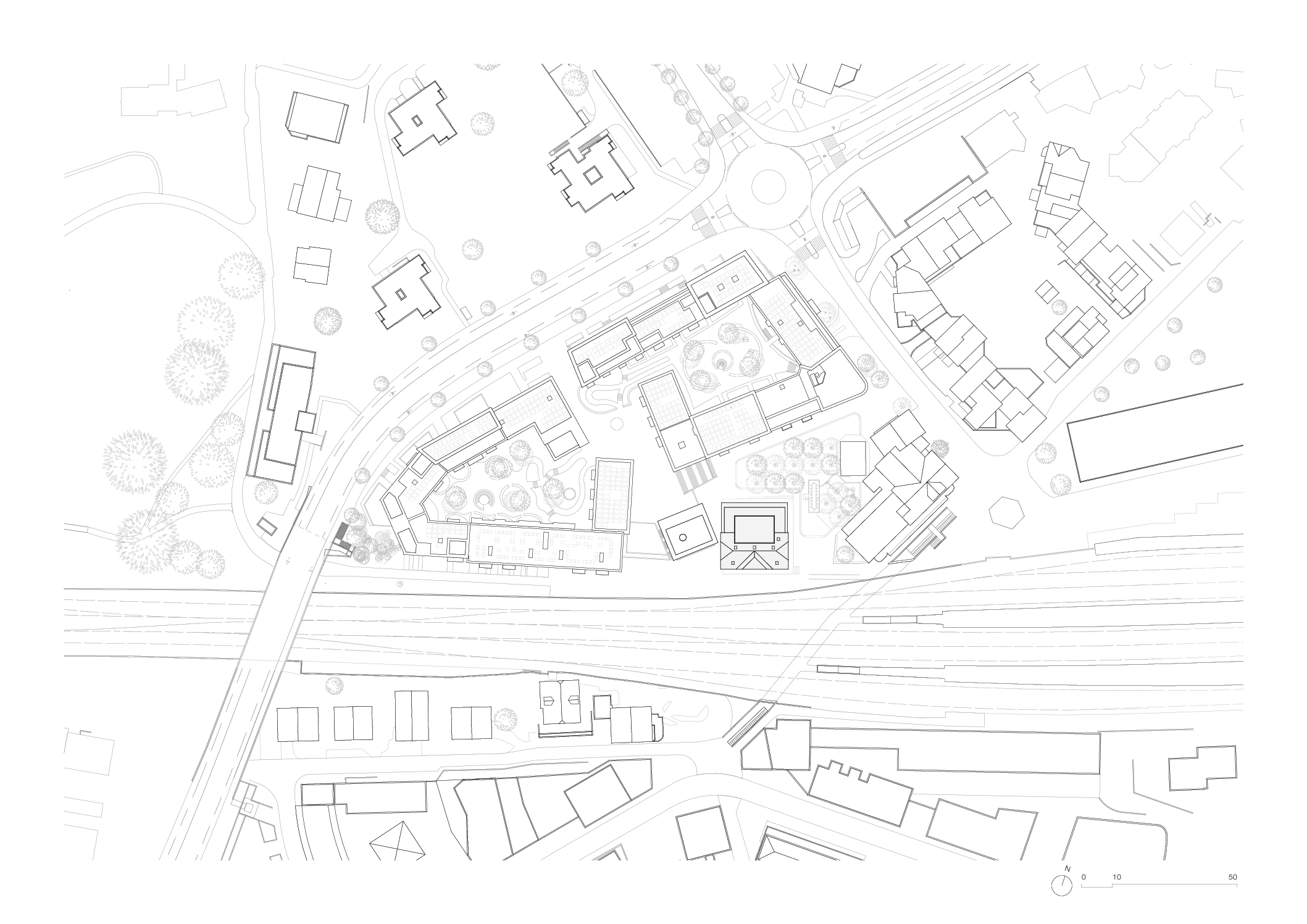
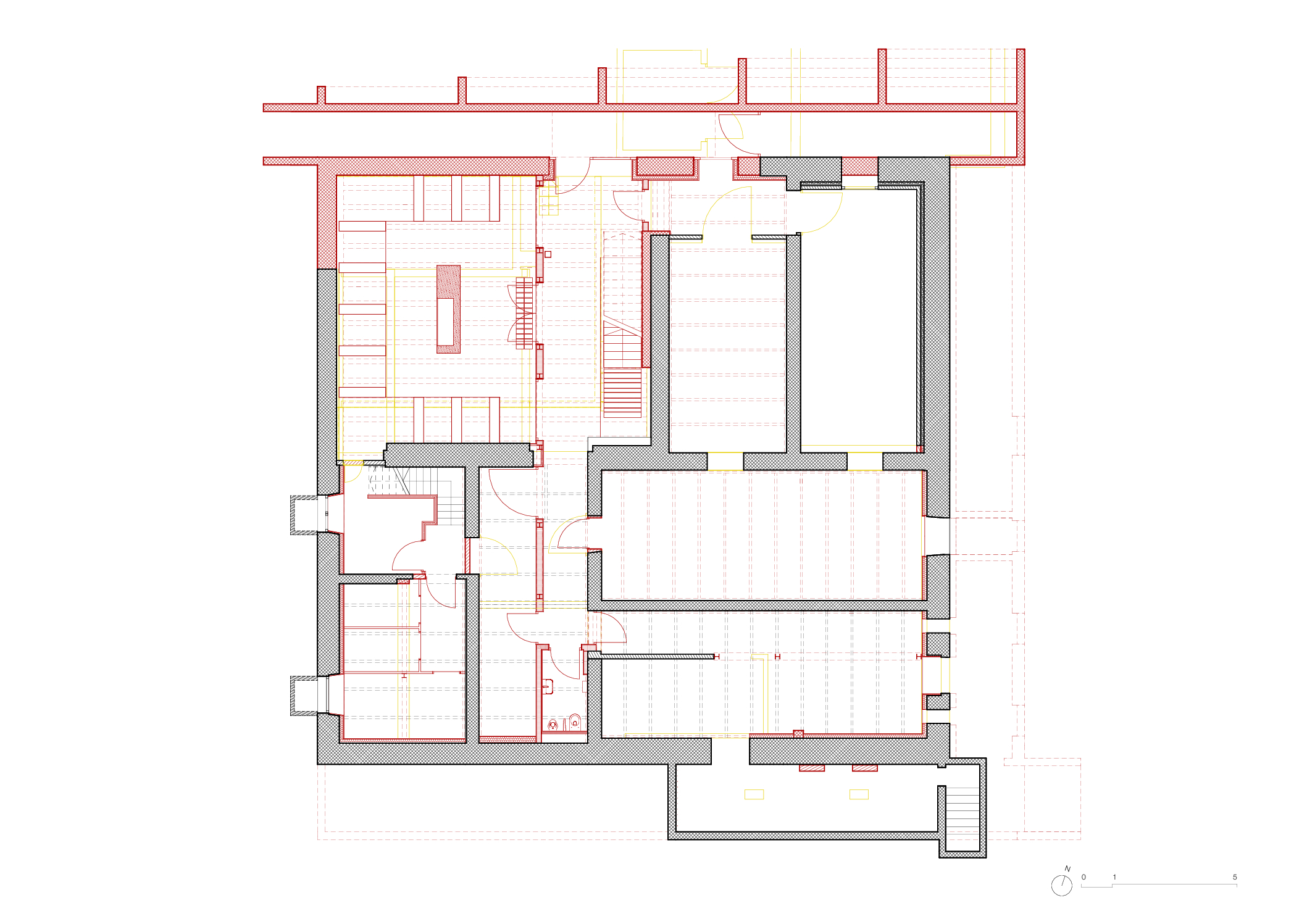
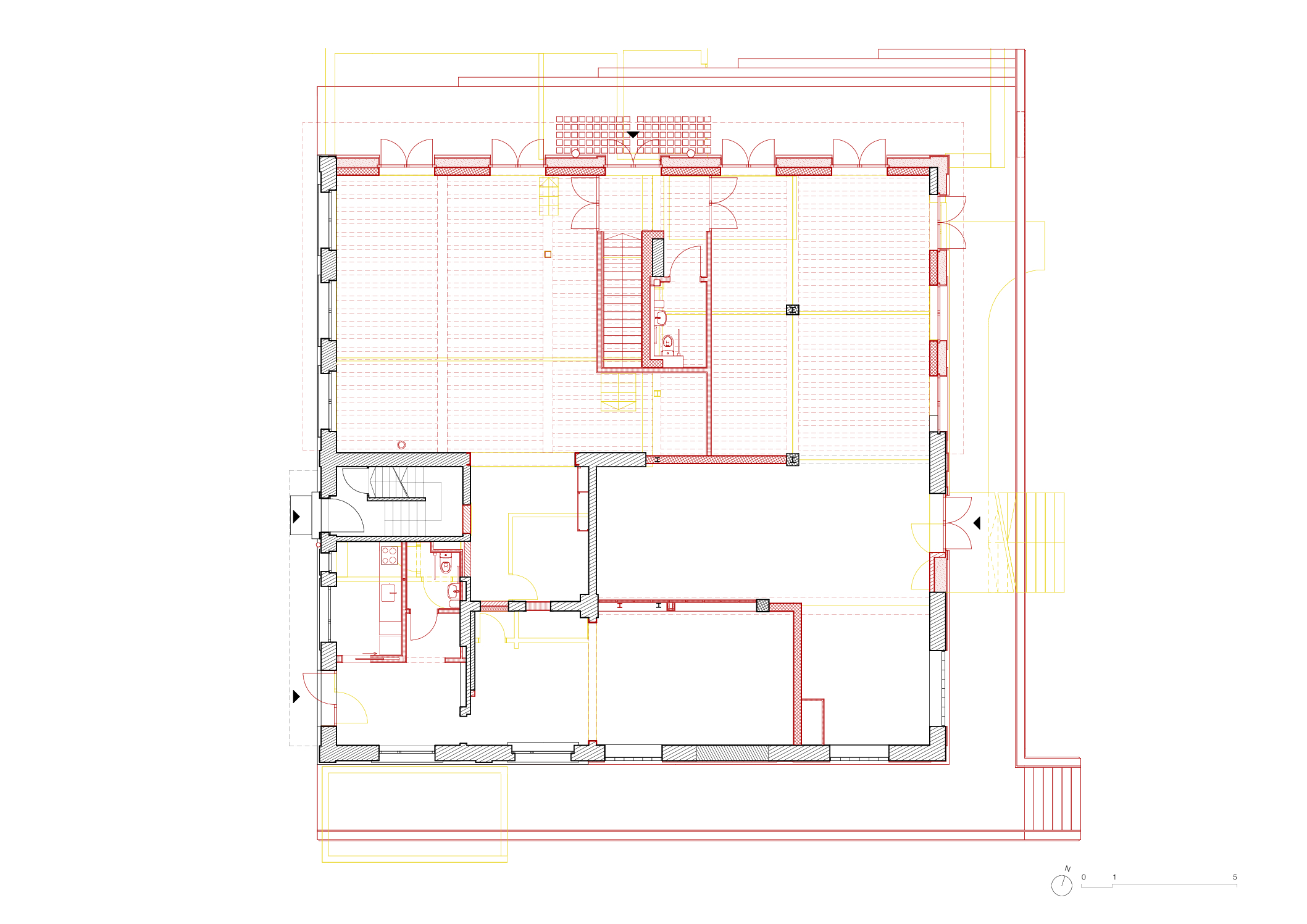
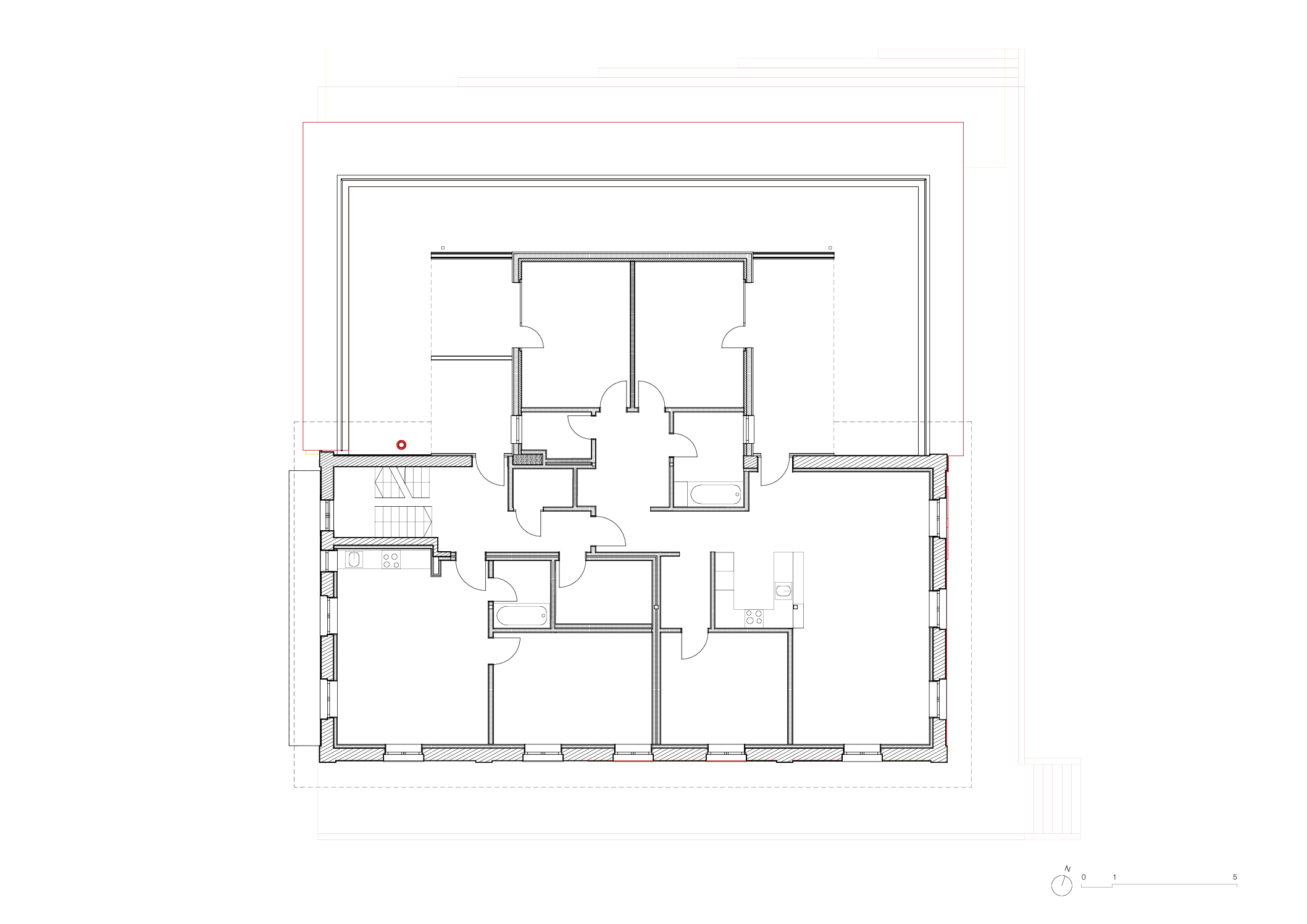
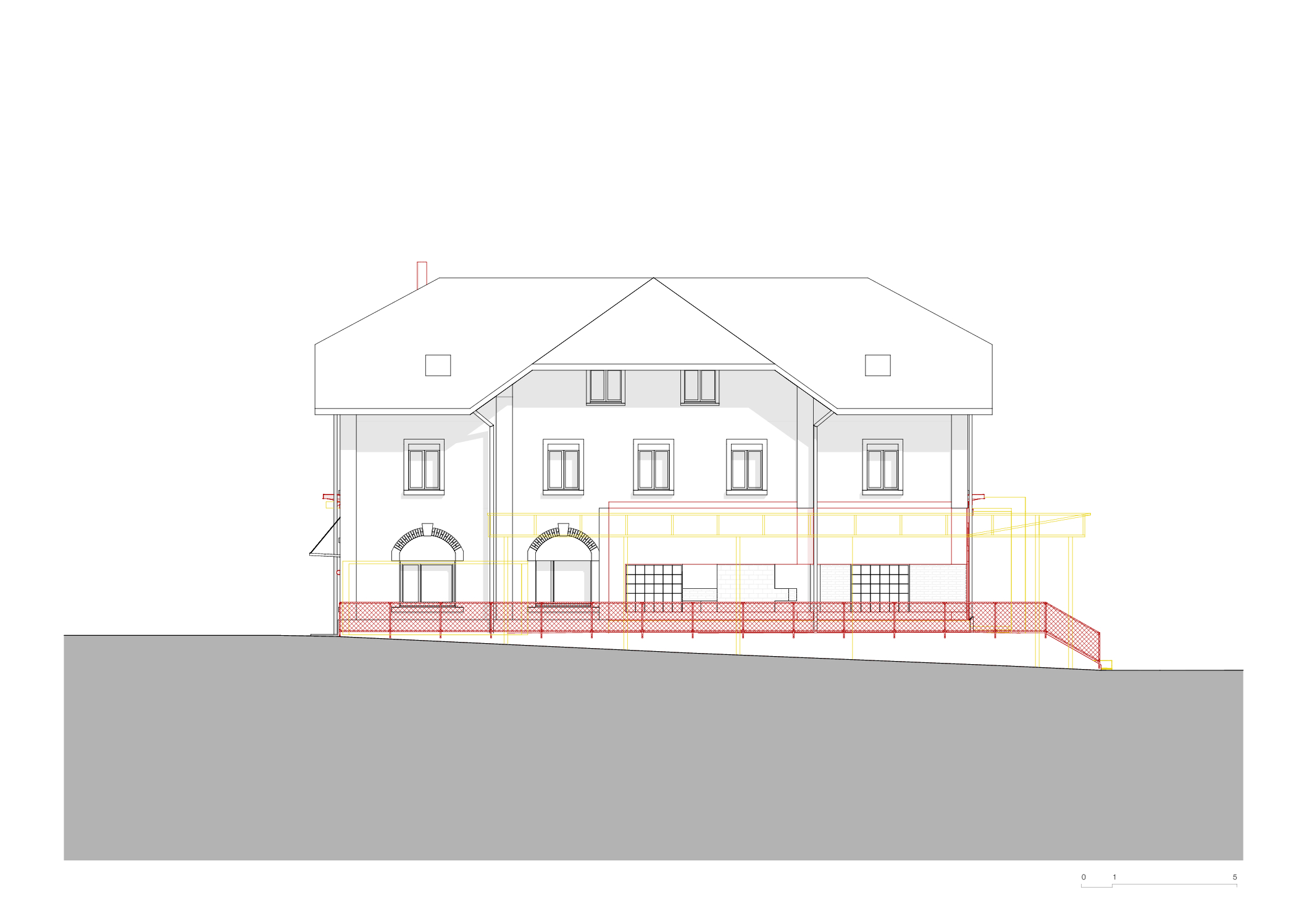
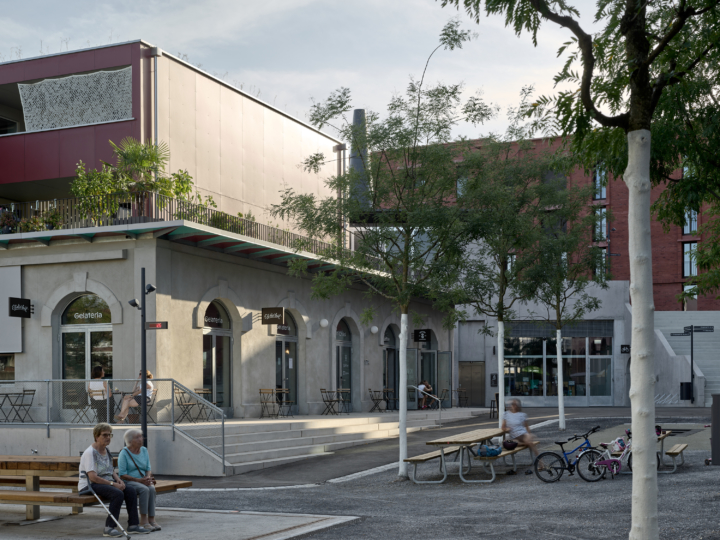
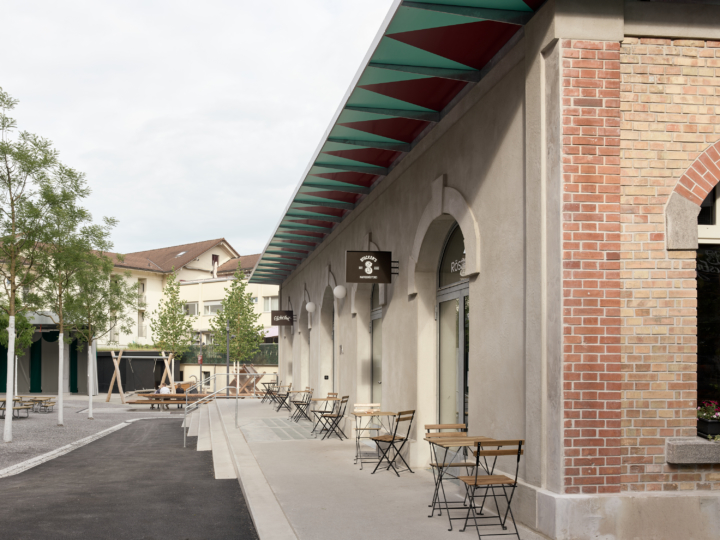
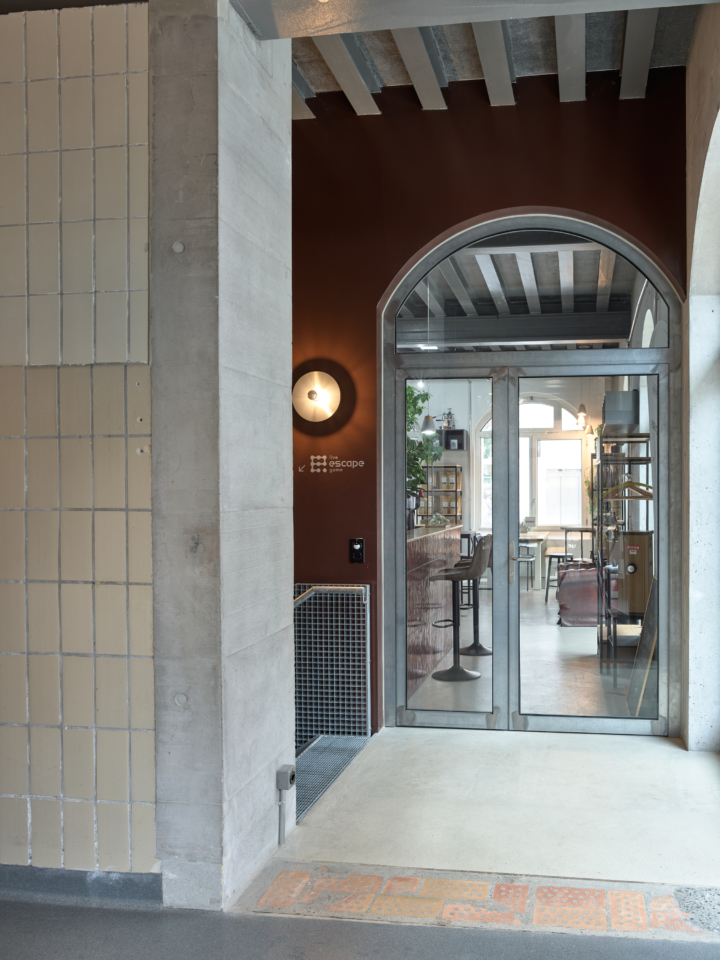
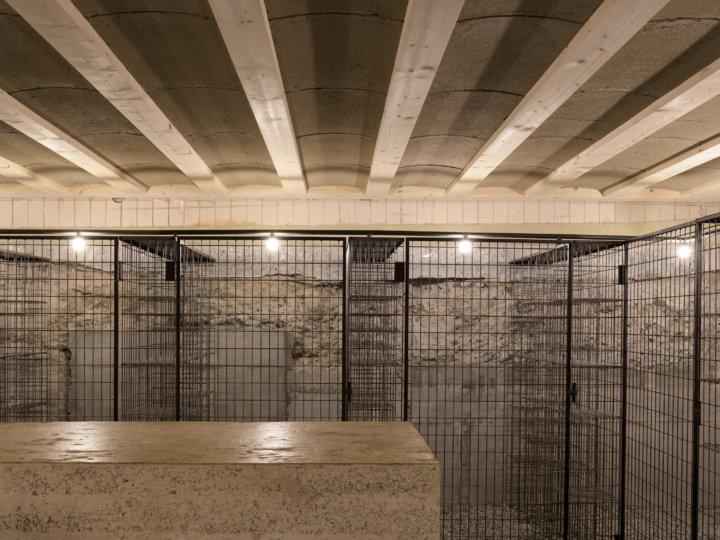
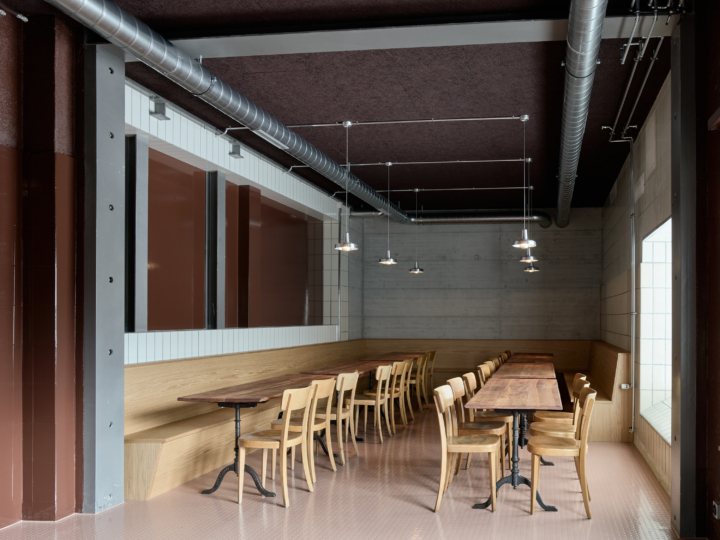
Today, the building once again finds itself in a phase of transition with the emergence of the dense, mixed-use Chäsimatt development on what was formerly meadowland. The ground floor, oriented toward Chäsiplatz, will accommodate a gelateria, a café-roastery, and the Chäsi Stübli—a convivial gathering place for Chäsimatt residents. The basement, previously used as Landi storage, has been reactivated to house an escape room, a communal wine cellar, and staff facilities. The recently renovated upper-floor apartments remain unchanged.
The vivid geometric motif beneath the canopy signals the festive energy of the building’s new purpose. It was designed by Swiss-Egyptian visual artist Karim Noureldin, whose work spans across various scale and medium, including site-specific installations in both private and public settings.
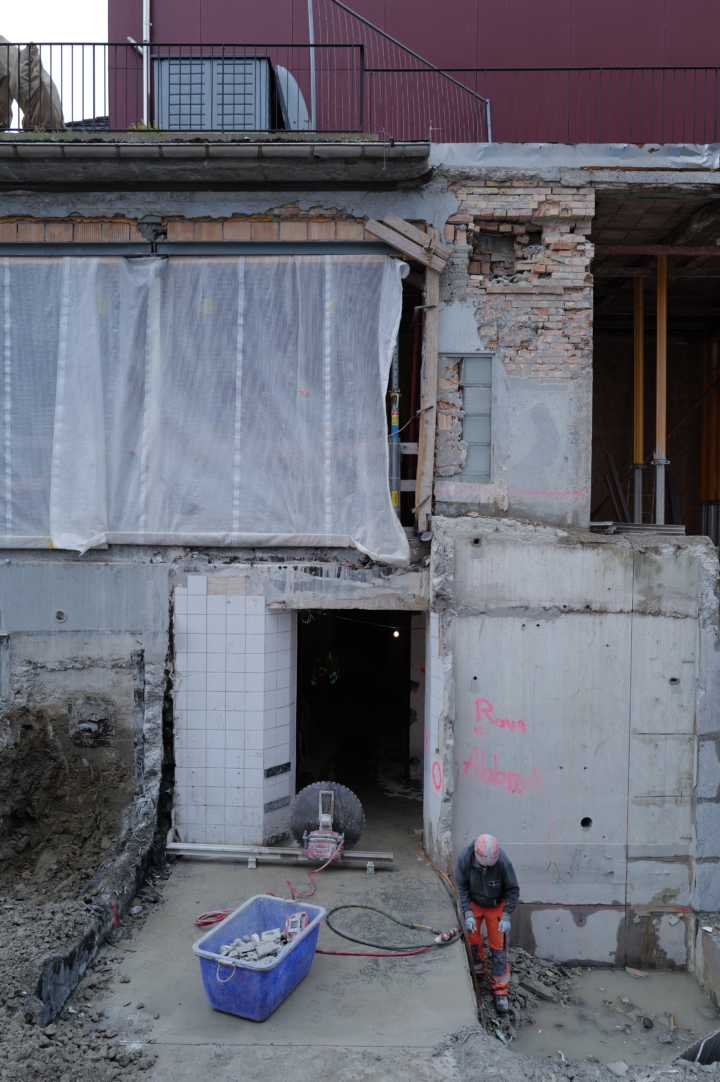
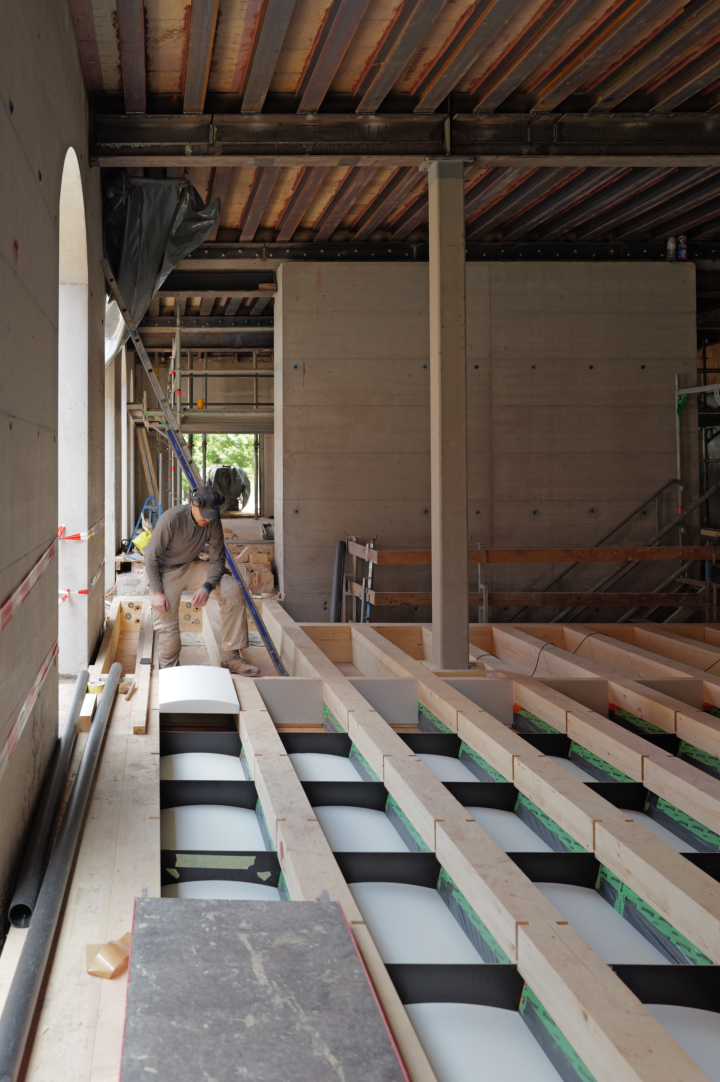
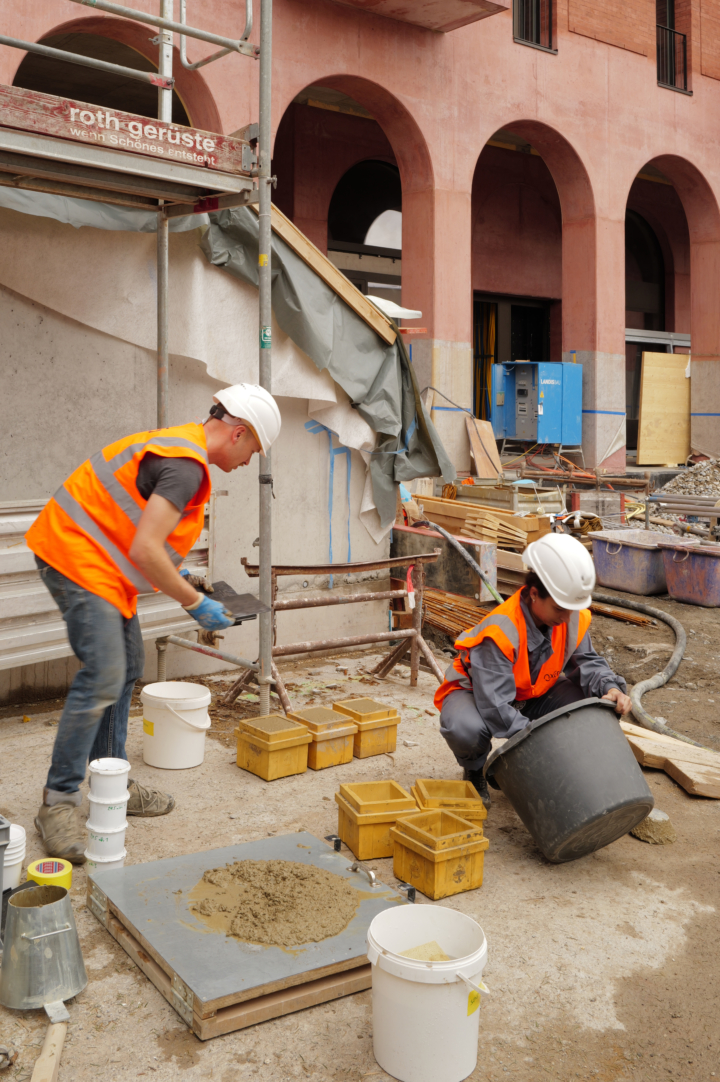
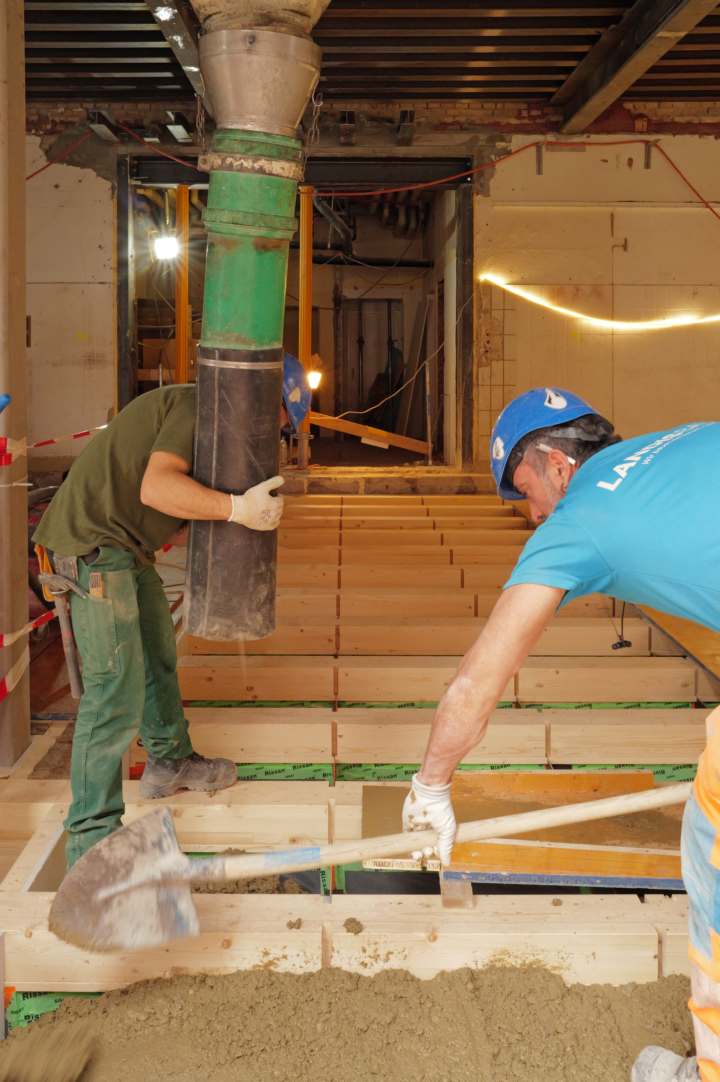
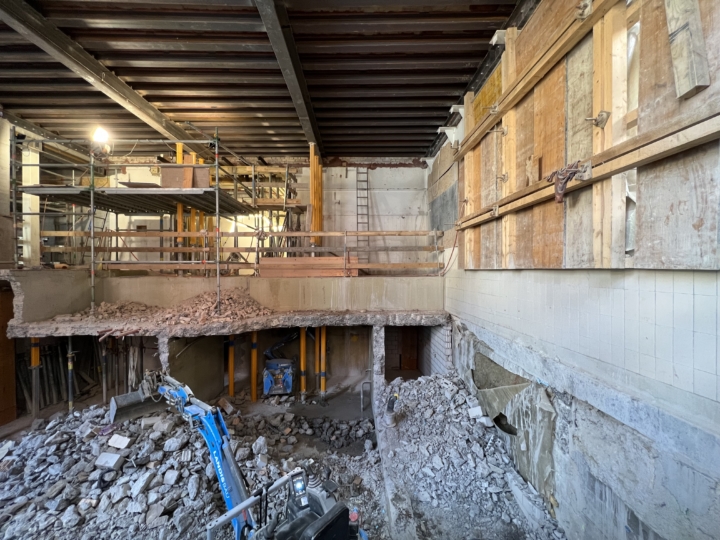
Major renovation works included the structural stabilization of unstable slabs between levels 0 and 1, as well as the construction of a new slab between levels 0 and –1. A large quantity of clay excavated on site was reintegrated into the building to form a new vaulted slab. This process was developed collaboratively with Oxara and Küng Holzbau.
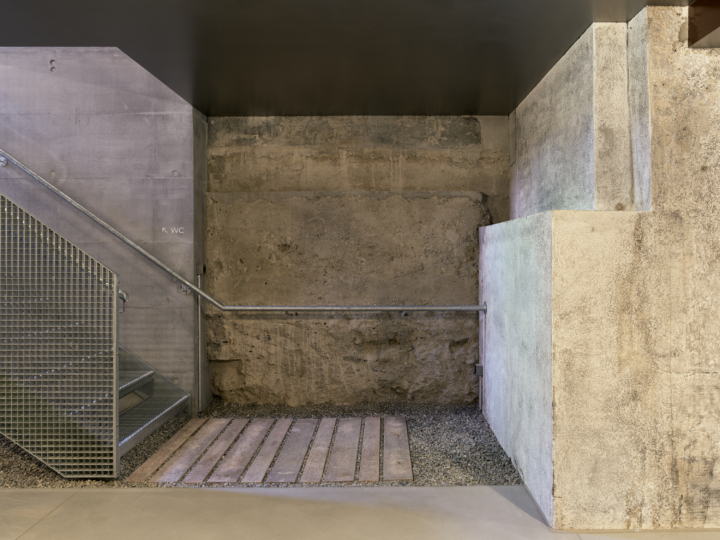
The current renovation seeks to embrace the plural coexistence of the building’s past and present. Like a palimpsest, its architectural layers reveal traces of successive interventions, each responding to the pragmatic and cultural needs of its time while remaining open to future transformations.